Technical project & R&D leadership
Technical coordination, team leadership and manufacturing delivery. Led Exafuse's contribution to BreitbahnDED, including milestones, costs and reporting; managed five employees with hiring responsibility.
Head of AI & R&D at Exafuse · External PhD Researcher at Ruhr University Bochum
I'm a hands-on engineer with more than six years in Directed Energy Deposition / Laser Metal Deposition (DED/LMD) and a background in lasers and photonics. I work from deposition strategy and robotics to optical/process monitoring, control, documentation and quality—taking processes from “it works once” to repeatable, scalable production.
My work spans DED process development, sensing, machine integration, manufacturing data and R&D project leadership. Applied AI, numerical modelling and automation are engineering tools I use to make physical processes more robust, measurable and scalable.
Process & material

Engineering in use
From sensors to machine controlMonitoring and control deployed across three machines at two sites.
Areas of work
Deep DED/LMD experience is the strongest proof of how I work. The same work connects lasers and photonics, practical sensing, industrial systems and project delivery.
Technical coordination, team leadership and manufacturing delivery. Led Exafuse's contribution to BreitbahnDED, including milestones, costs and reporting; managed five employees with hiring responsibility.
M.Sc. Lasers and Photonics, alongside practical work in laser processing, cameras, optical sensing, illumination, calibration and process monitoring. Camera-based height sensing taken from concept to tested prototype.
More than six years in DED/LMD: deposition strategy, robotics, process control, machine integration, manufacturing data and automation. Also practical LPBF build preparation and troubleshooting, plus in-house MES/ERP and traceability.
My foundation is an M.Sc. in Lasers and Photonics at Ruhr University Bochum, with the Faculty Prize for best student, and a B.Tech. in Electrical Engineering.
Selected work
I led the monitoring and process-control work and coordinated delivery scheduling within my scope.
The monitoring/control work enabled unattended builds. Company and partner results remain separately attributed; testing was outside my role.
Read the project and my roleI led the system architecture, development and integration, coordinating contributors working on sensors and algorithms.
Monitoring and control deployed across three machines at two sites. Each machine still requires its own calibration, commissioning and operating limits.
Inside the LMD control systemI developed camera-based height sensing from concept to tested prototype.
A tested prototype and an inspectable measurement workflow. The public case does not claim a certified accuracy or universal operating range.
Explore the optical sensing workI built the in-house MES/ERP and the operator procedures around it.
The workflow is used by every operator, giving process records a place in the history of each part.
Read about manufacturing recordsDED/LMD in practice
Duisburg bridge components, 2024: led process monitoring and control work that enabled unattended builds and coordinated delivery scheduling within his scope. Testing was outside his role.
Read the project and my role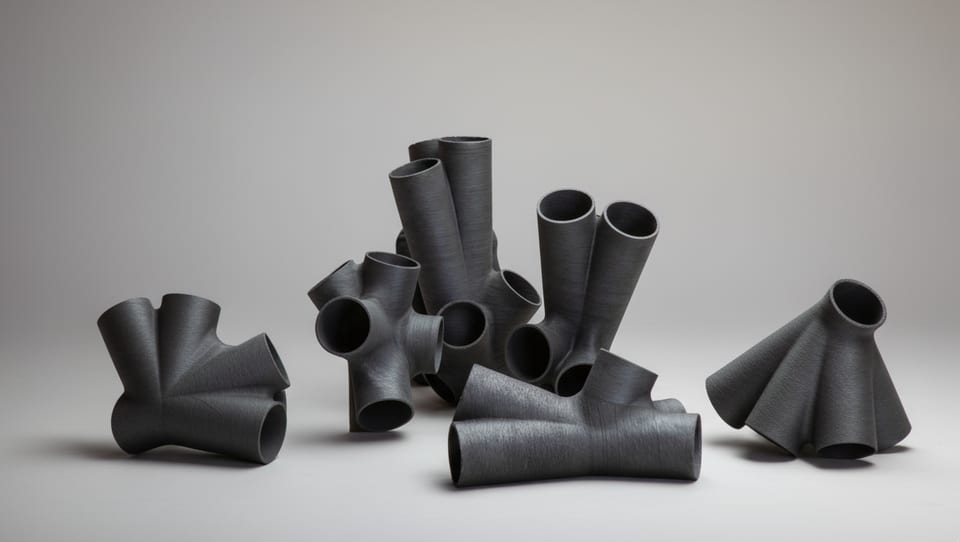
750+ kgDocumented components
6 nodesStructural nodes
219 hKnoten 10 build
Project scale from Exafuse's published record. My contribution is described separately; these figures are not personal output or engineering approval.
Research and method
To me, a prediction is only one part of the job. The next action, the missing context, and the verification path have to be clear too.
I am studying how this approach can help with decisions based on incomplete physical signals, operational risk, and human responsibility. That is a research direction, not a cross-industry deployment claim.
Research tools · Working decision product
The Cockpit keeps the decision signal, critical gaps, risk, evidence needed, and next action visible. Confidence is not approval.
Working example
Example scenario: worn steel shaft near bearing seat.
Evidence-aware by design
LMD Decision Brief v1.0
Decision signal:
Screen with LMD Repairability Quick Check before expert review.
Brief completeness:
Ready for preliminary discussion
Expert-review package status:
Not ready
Evidence burden:
High inspection burden
Top 3 critical gaps:
Top 3 risk flags:
Next action:
Prepare an Exafuse-ready review package with missing facts clearly marked.
Boundary:
Confidence is not approval.
Research platform
My industrial-AI research explores how physical signals, models and evidence support engineering decisions. Public company cases provide context; the tools make assumptions and limits visible.
Supporting industrial proof
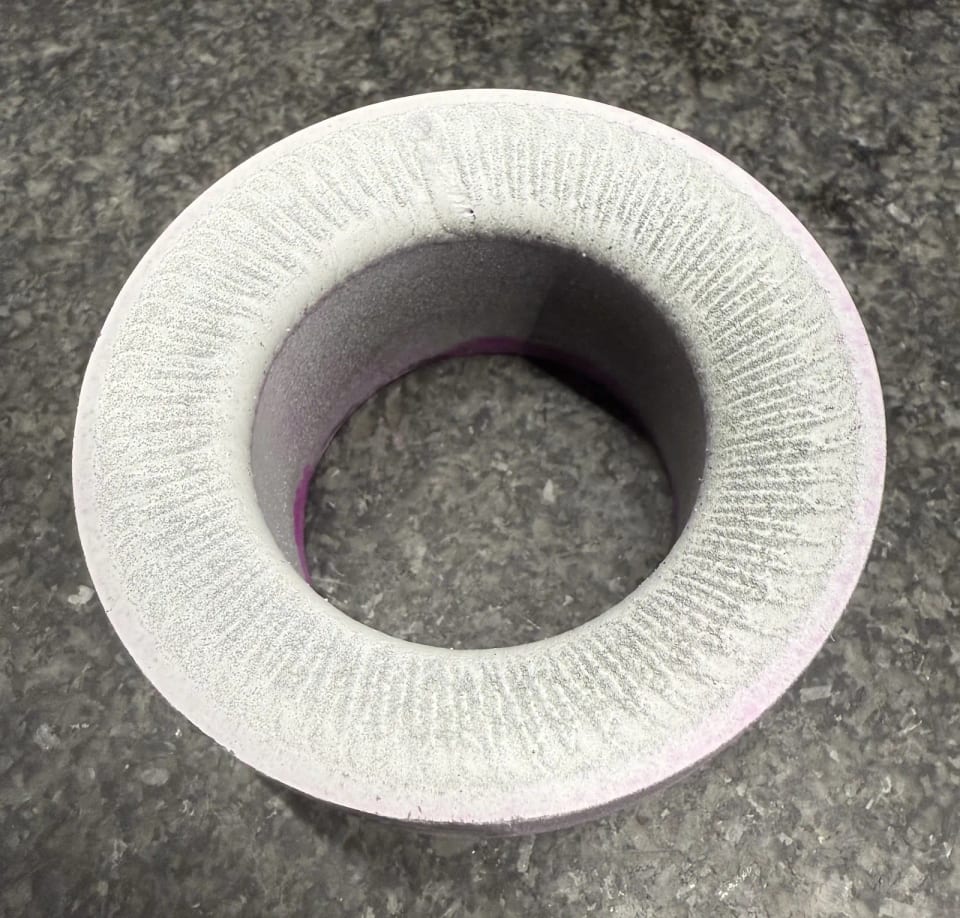
A visible inspection result is useful evidence only when it is attached to geometry, material, heat, finishing, and acceptance context.
Read the proof storyAuthored note
A first-person note on keeping model output, context, action, and verification connected.
Personal platform
Engineering work in laser-based manufacturing, photonics and industrial systems, with DED/LMD evidence, technical notes and research tools.
Commercial boundary
My current applied LMD/DED work is carried out through Exafuse. This site shares public methods and notes; company services, case studies, and engineering review belong there.
Engineering approach
The process, measurement, machine interfaces and operator records need to work as one system. I connect these parts so a useful result on the shop floor can become a repeatable way of working.
More about my workApplied AI and automation have a place in that workflow, alongside calibration, engineering judgement and physical verification.
Professional contact
Technical projects, R&D, laser-based manufacturing, photonics and sensing, or industrial systems.
Contact Manish